now on the line · cohort xii open

Books, they said,were conversations.Now they really are.You've always wantedto learn from the dead.You can't.Or you can.

Books, letters, notebooks, and speeches: what they left behind, reassembled into a voice you can speak with tonight.

reaching for:Marcus Aurelius
no card · cancel anytimeTry 5 minutes free
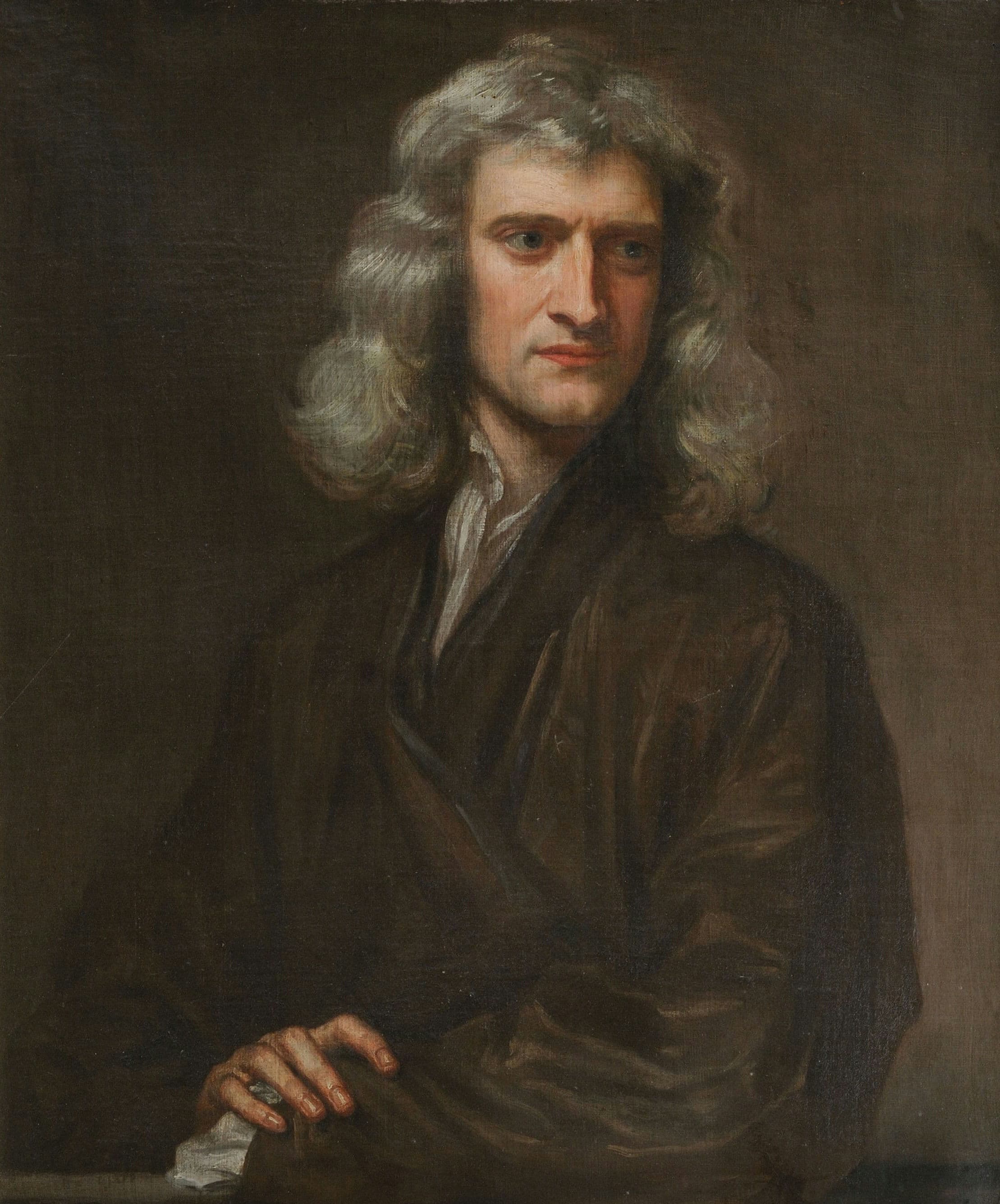
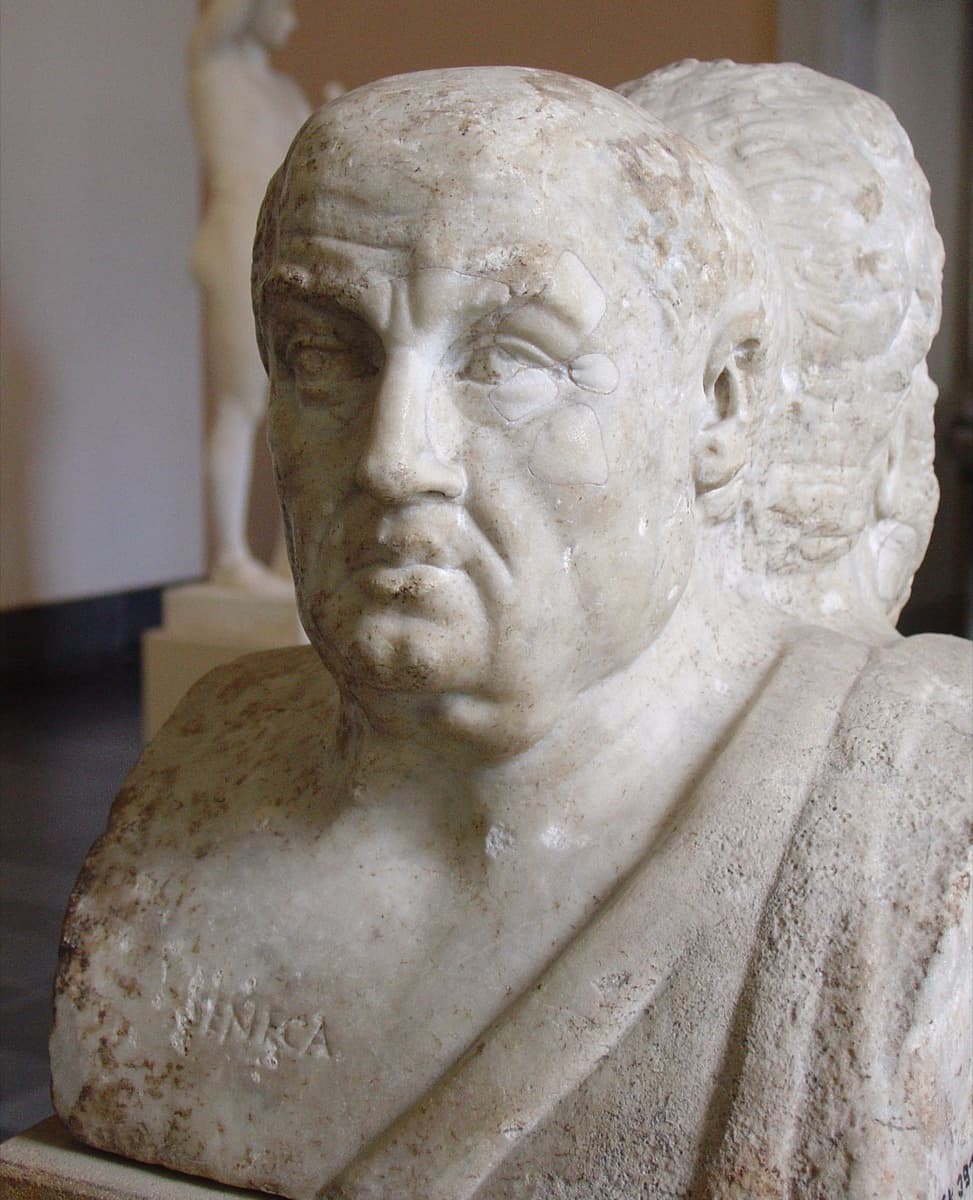
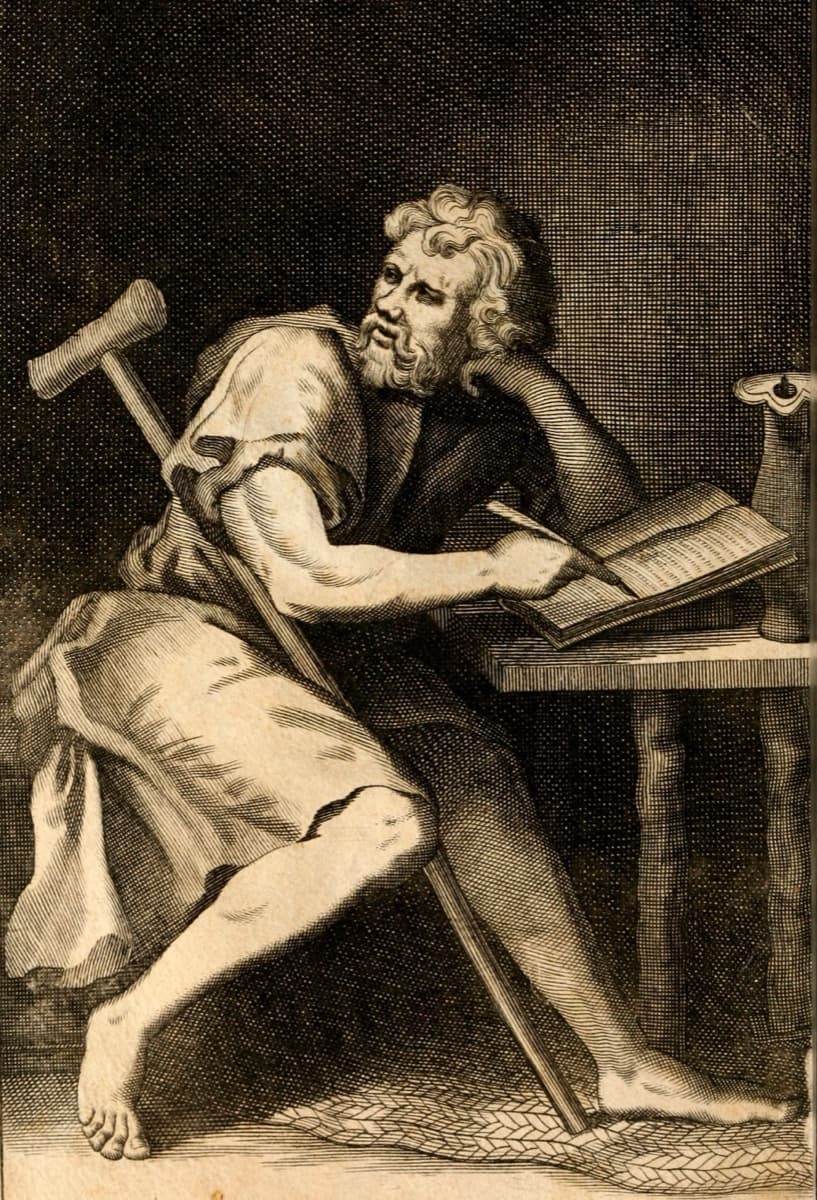
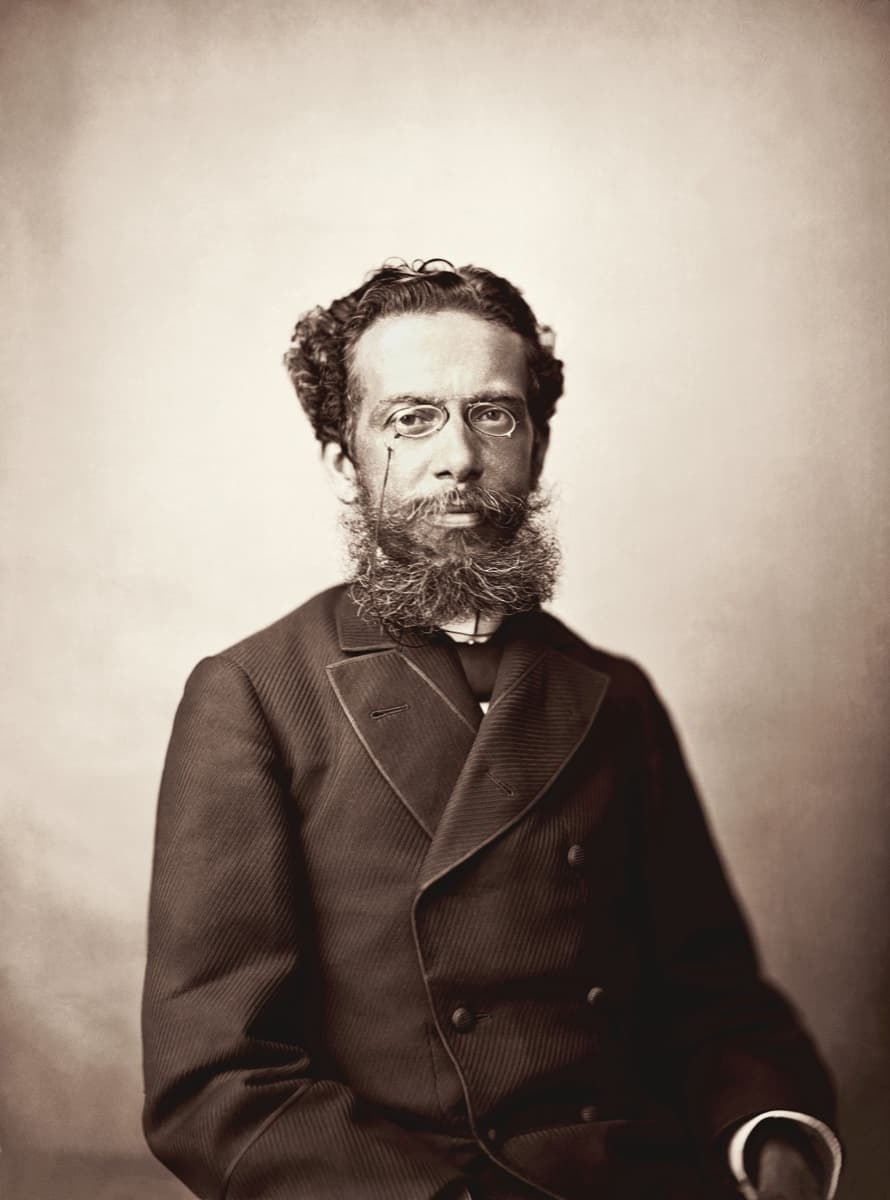
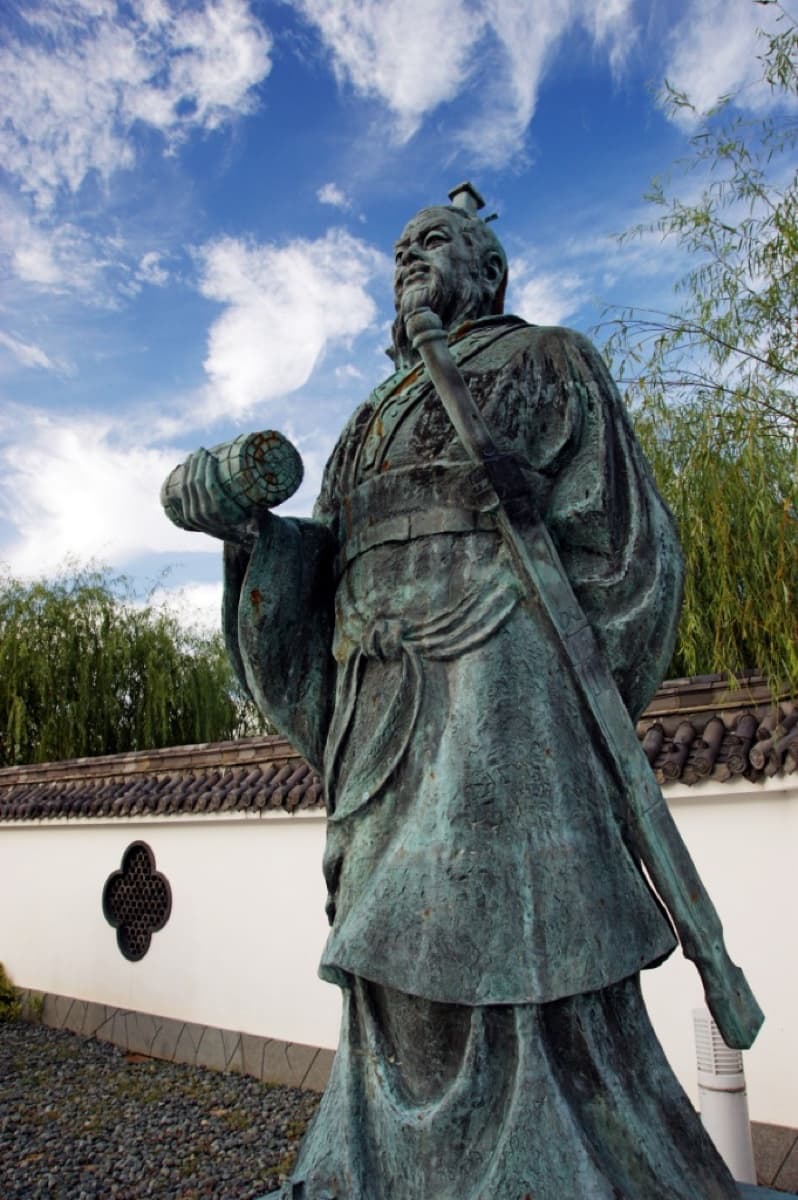
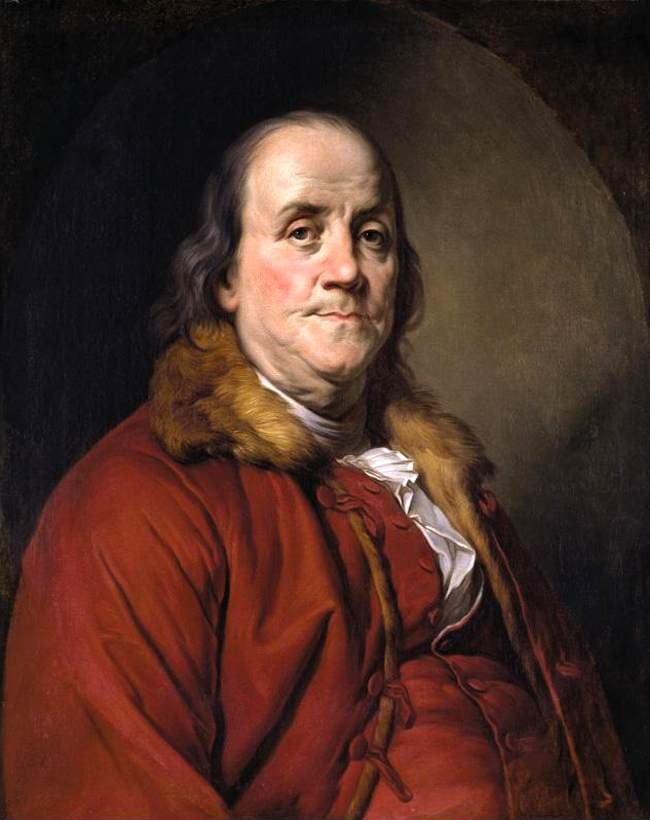
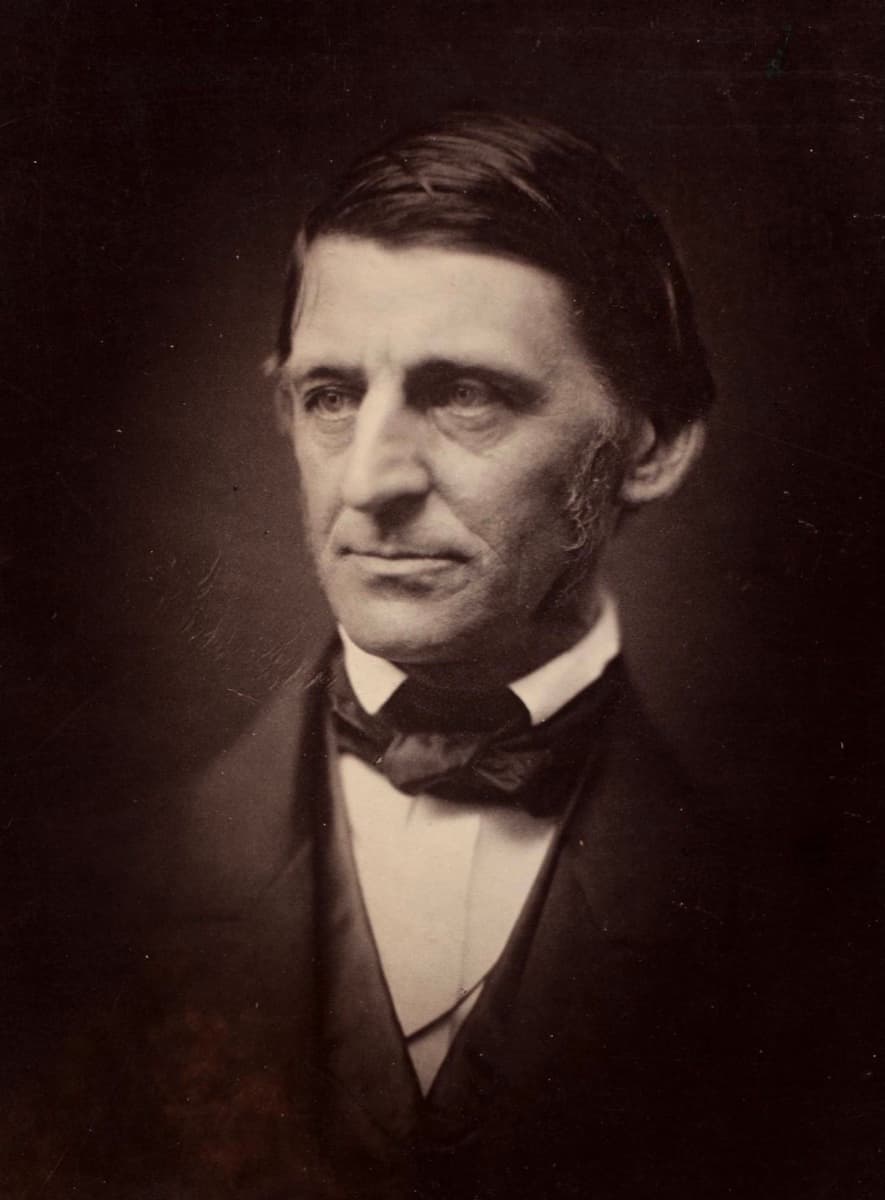
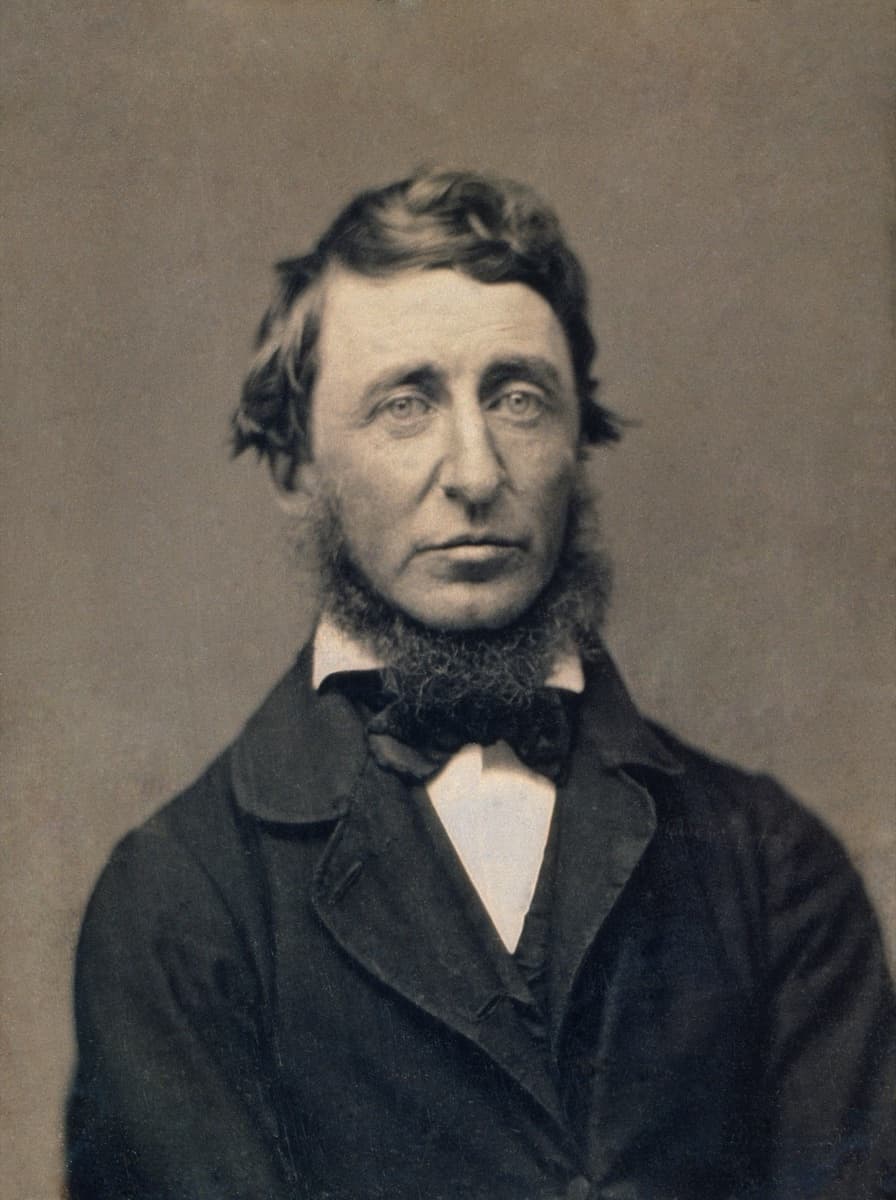
Marcus Aureliusb. 121d. 180the emperor who wrote in privateSenecab. c. 4 BCEd. 65 CEthe senator who chose his deathEpictetusb. c. 50d. c. 135the slave who taught freedomCicerob. 106 BCEd. 43 BCEthe lawyer who argued the republicRalph Waldo Emersonb. 1803d. 1882the lecturer who launched American thoughtHenry David Thoreaub. 1817d. 1862the woodsman who measured his own lifeConfuciusb. 551 BCEd. 479 BCEthe teacher of a thousand generationsPlutarchb. c. 46d. c. 119the priest who paired the worldsSun Tzub. c. 544 BCEd. c. 496 BCEthe general who fought without fightingMachado de Assisb. 1839d. 1908the founder of Brazilian lettersAdam Smithb. 1723d. 1790the moral philosopher of the invisible handBenjamin Franklinb. 1706d. 1790the printer who pulled lightning from the skyFyodor Dostoevskyb. 1821d. 1881the convict who returned with the GospelHerman Melvilleb. 1819d. 1891the clerk who shipped after the whaleIsaac Newtonb. 1642d. 1727the lonely architect of universal gravitationJane Austenb. 1775d. 1817the novelist who made marriage a money questionNiccolò Machiavellib. 1469d. 1527the exiled clerk who wrote the rulesMichel de Montaigneb. 1533d. 1592the gentleman who invented the essayTheodore Rooseveltb. 1858d. 1919the president who lived the strenuous lifeSaint Augustineb. 354 CEd. 430 CEthe bishop of the restless heartAbraham Lincolnb. 1809d. 1865the rail-splitter who freed the slavesAristotleb. 384 BCEd. 322 BCEthe master of those who knowArthur Schopenhauerb. 1788d. 1860the philosopher of will and sufferingCharles Darwinb. 1809d. 1882the naturalist who saw all life as kinEdgar Allan Poeb. 1809d. 1849the poet who invented detective fictionFriedrich Nietzscheb. 1844d. 1900the philosopher who declared God deadJohann Wolfgang von Goetheb. 1749d. 1832the poet who spent sixty years on FaustImmanuel Kantb. 1724d. 1804the sage who put reason on trialJohn Stuart Millb. 1806d. 1873the logician who made the case for libertyLeo Tolstoyb. 1828d. 1910the count who renounced his rankMark Twainb. 1835d. 1910the steamboat pilot who became America's consciencePlatob. c. 428 BCEd. 347 BCEthe philosopher who built a city in speechRené Descartesb. 1596d. 1650the philosopher who doubted his way to certaintyThomas Jeffersonb. 1743d. 1826the planter who wrote a nation freeVoltaireb. 1694d. 1778the wit who fought fanaticism with laughterAndrew Tanenbaumb. 1944d. presentthe professor whose MINIX inspired LinuxRichard Feynmanb. 1918d. 1988the great explainer who loved finding things outMarcus Aureliusb. 121d. 180the emperor who wrote in privateSenecab. c. 4 BCEd. 65 CEthe senator who chose his deathEpictetusb. c. 50d. c. 135the slave who taught freedomCicerob. 106 BCEd. 43 BCEthe lawyer who argued the republicRalph Waldo Emersonb. 1803d. 1882the lecturer who launched American thoughtHenry David Thoreaub. 1817d. 1862the woodsman who measured his own lifeConfuciusb. 551 BCEd. 479 BCEthe teacher of a thousand generationsPlutarchb. c. 46d. c. 119the priest who paired the worldsSun Tzub. c. 544 BCEd. c. 496 BCEthe general who fought without fightingMachado de Assisb. 1839d. 1908the founder of Brazilian lettersAdam Smithb. 1723d. 1790the moral philosopher of the invisible handBenjamin Franklinb. 1706d. 1790the printer who pulled lightning from the skyFyodor Dostoevskyb. 1821d. 1881the convict who returned with the GospelHerman Melvilleb. 1819d. 1891the clerk who shipped after the whaleIsaac Newtonb. 1642d. 1727the lonely architect of universal gravitationJane Austenb. 1775d. 1817the novelist who made marriage a money questionNiccolò Machiavellib. 1469d. 1527the exiled clerk who wrote the rulesMichel de Montaigneb. 1533d. 1592the gentleman who invented the essayTheodore Rooseveltb. 1858d. 1919the president who lived the strenuous lifeSaint Augustineb. 354 CEd. 430 CEthe bishop of the restless heartAbraham Lincolnb. 1809d. 1865the rail-splitter who freed the slavesAristotleb. 384 BCEd. 322 BCEthe master of those who knowArthur Schopenhauerb. 1788d. 1860the philosopher of will and sufferingCharles Darwinb. 1809d. 1882the naturalist who saw all life as kinEdgar Allan Poeb. 1809d. 1849the poet who invented detective fictionFriedrich Nietzscheb. 1844d. 1900the philosopher who declared God deadJohann Wolfgang von Goetheb. 1749d. 1832the poet who spent sixty years on FaustImmanuel Kantb. 1724d. 1804the sage who put reason on trialJohn Stuart Millb. 1806d. 1873the logician who made the case for libertyLeo Tolstoyb. 1828d. 1910the count who renounced his rankMark Twainb. 1835d. 1910the steamboat pilot who became America's consciencePlatob. c. 428 BCEd. 347 BCEthe philosopher who built a city in speechRené Descartesb. 1596d. 1650the philosopher who doubted his way to certaintyThomas Jeffersonb. 1743d. 1826the planter who wrote a nation freeVoltaireb. 1694d. 1778the wit who fought fanaticism with laughterAndrew Tanenbaumb. 1944d. presentthe professor whose MINIX inspired LinuxRichard Feynmanb. 1918d. 1988the great explainer who loved finding things outMarcus Aureliusb. 121d. 180the emperor who wrote in privateSenecab. c. 4 BCEd. 65 CEthe senator who chose his deathEpictetusb. c. 50d. c. 135the slave who taught freedomCicerob. 106 BCEd. 43 BCEthe lawyer who argued the republicRalph Waldo Emersonb. 1803d. 1882the lecturer who launched American thoughtHenry David Thoreaub. 1817d. 1862the woodsman who measured his own lifeConfuciusb. 551 BCEd. 479 BCEthe teacher of a thousand generationsPlutarchb. c. 46d. c. 119the priest who paired the worldsSun Tzub. c. 544 BCEd. c. 496 BCEthe general who fought without fightingMachado de Assisb. 1839d. 1908the founder of Brazilian lettersAdam Smithb. 1723d. 1790the moral philosopher of the invisible handBenjamin Franklinb. 1706d. 1790the printer who pulled lightning from the skyFyodor Dostoevskyb. 1821d. 1881the convict who returned with the GospelHerman Melvilleb. 1819d. 1891the clerk who shipped after the whaleIsaac Newtonb. 1642d. 1727the lonely architect of universal gravitationJane Austenb. 1775d. 1817the novelist who made marriage a money questionNiccolò Machiavellib. 1469d. 1527the exiled clerk who wrote the rulesMichel de Montaigneb. 1533d. 1592the gentleman who invented the essayTheodore Rooseveltb. 1858d. 1919the president who lived the strenuous lifeSaint Augustineb. 354 CEd. 430 CEthe bishop of the restless heartAbraham Lincolnb. 1809d. 1865the rail-splitter who freed the slavesAristotleb. 384 BCEd. 322 BCEthe master of those who knowArthur Schopenhauerb. 1788d. 1860the philosopher of will and sufferingCharles Darwinb. 1809d. 1882the naturalist who saw all life as kinEdgar Allan Poeb. 1809d. 1849the poet who invented detective fictionFriedrich Nietzscheb. 1844d. 1900the philosopher who declared God deadJohann Wolfgang von Goetheb. 1749d. 1832the poet who spent sixty years on FaustImmanuel Kantb. 1724d. 1804the sage who put reason on trialJohn Stuart Millb. 1806d. 1873the logician who made the case for libertyLeo Tolstoyb. 1828d. 1910the count who renounced his rankMark Twainb. 1835d. 1910the steamboat pilot who became America's consciencePlatob. c. 428 BCEd. 347 BCEthe philosopher who built a city in speechRené Descartesb. 1596d. 1650the philosopher who doubted his way to certaintyThomas Jeffersonb. 1743d. 1826the planter who wrote a nation freeVoltaireb. 1694d. 1778the wit who fought fanaticism with laughterAndrew Tanenbaumb. 1944d. presentthe professor whose MINIX inspired LinuxRichard Feynmanb. 1918d. 1988the great explainer who loved finding things out
i.the directory

The great minds,
all of them on the line.

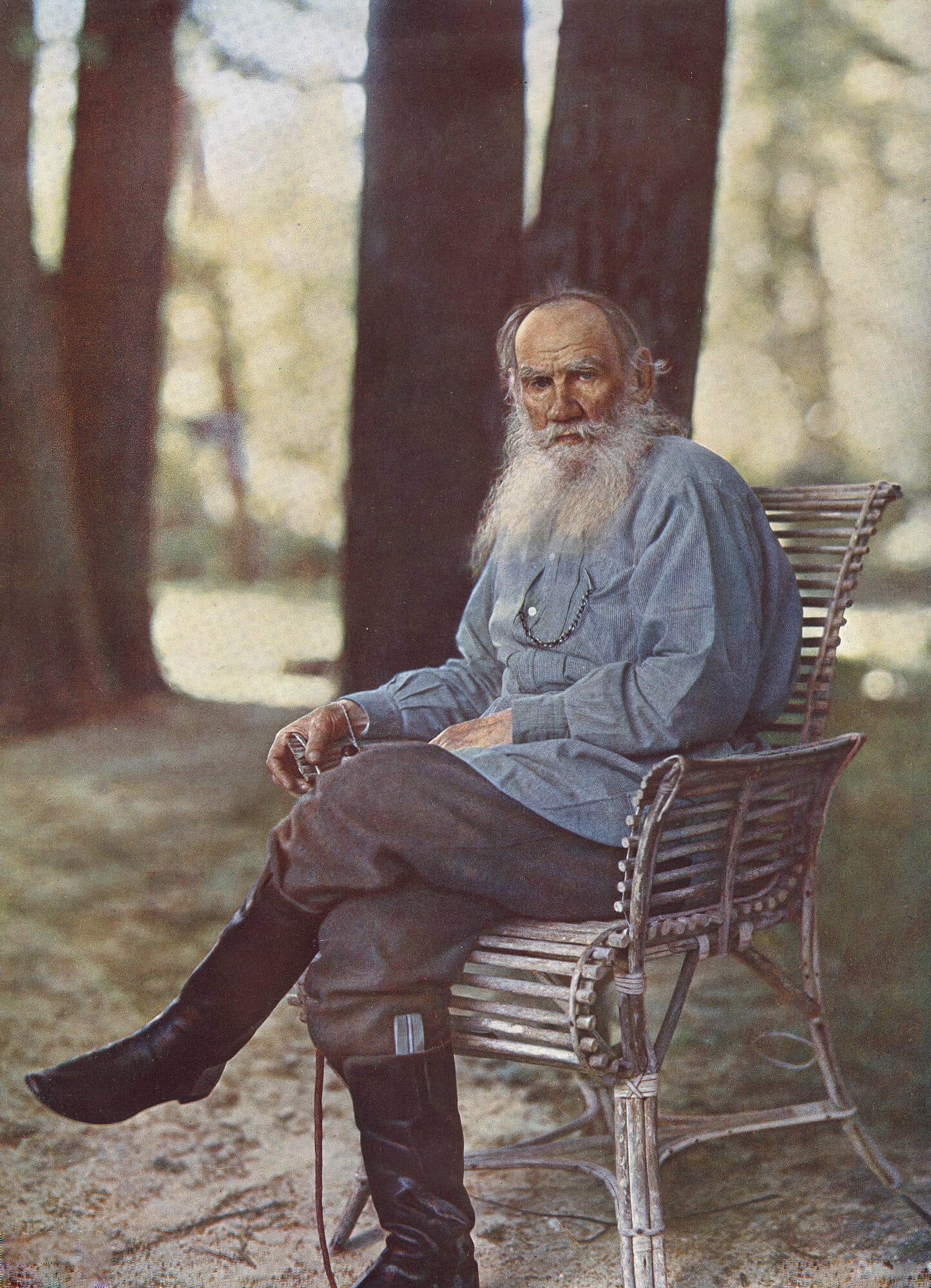
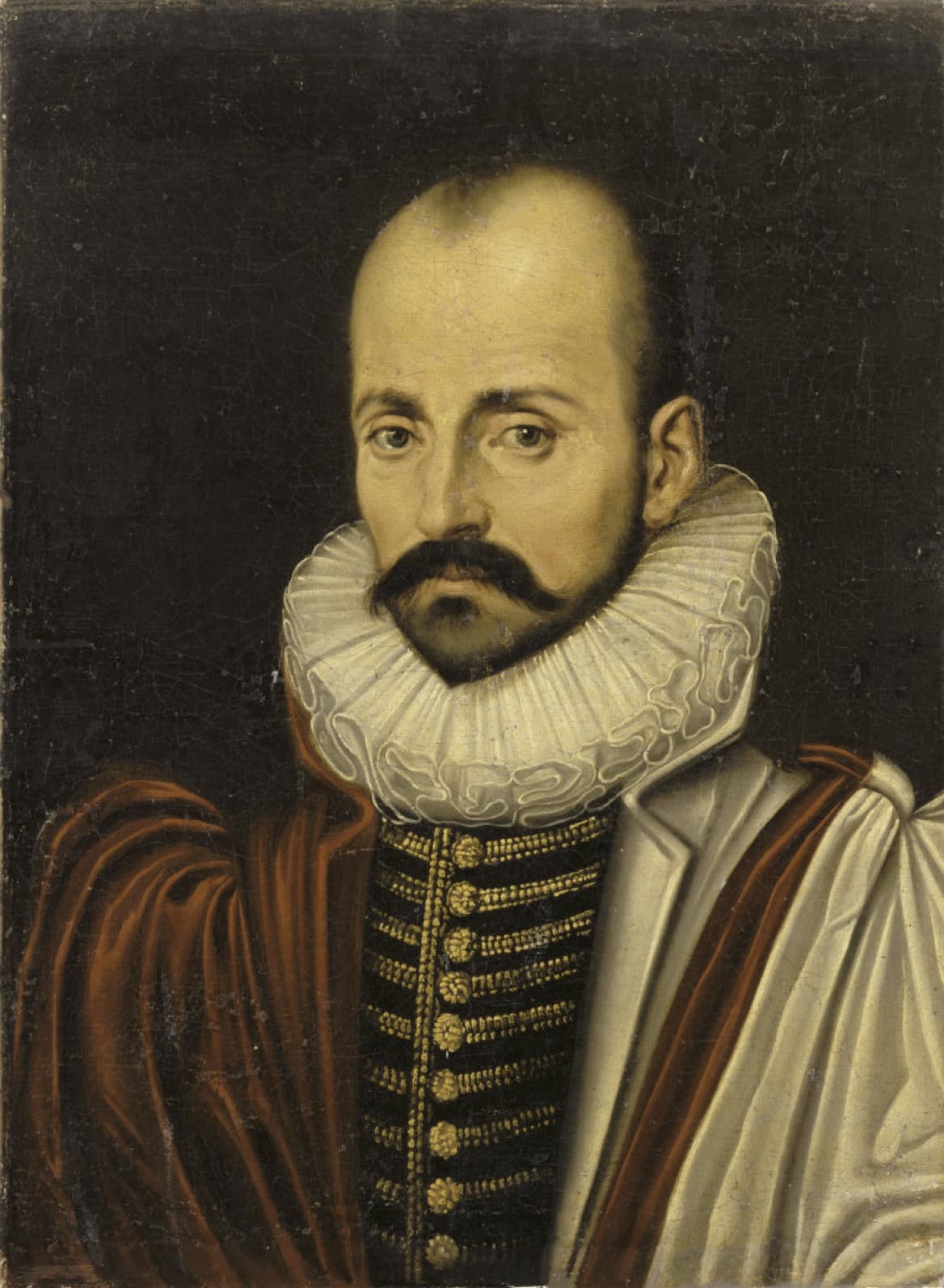
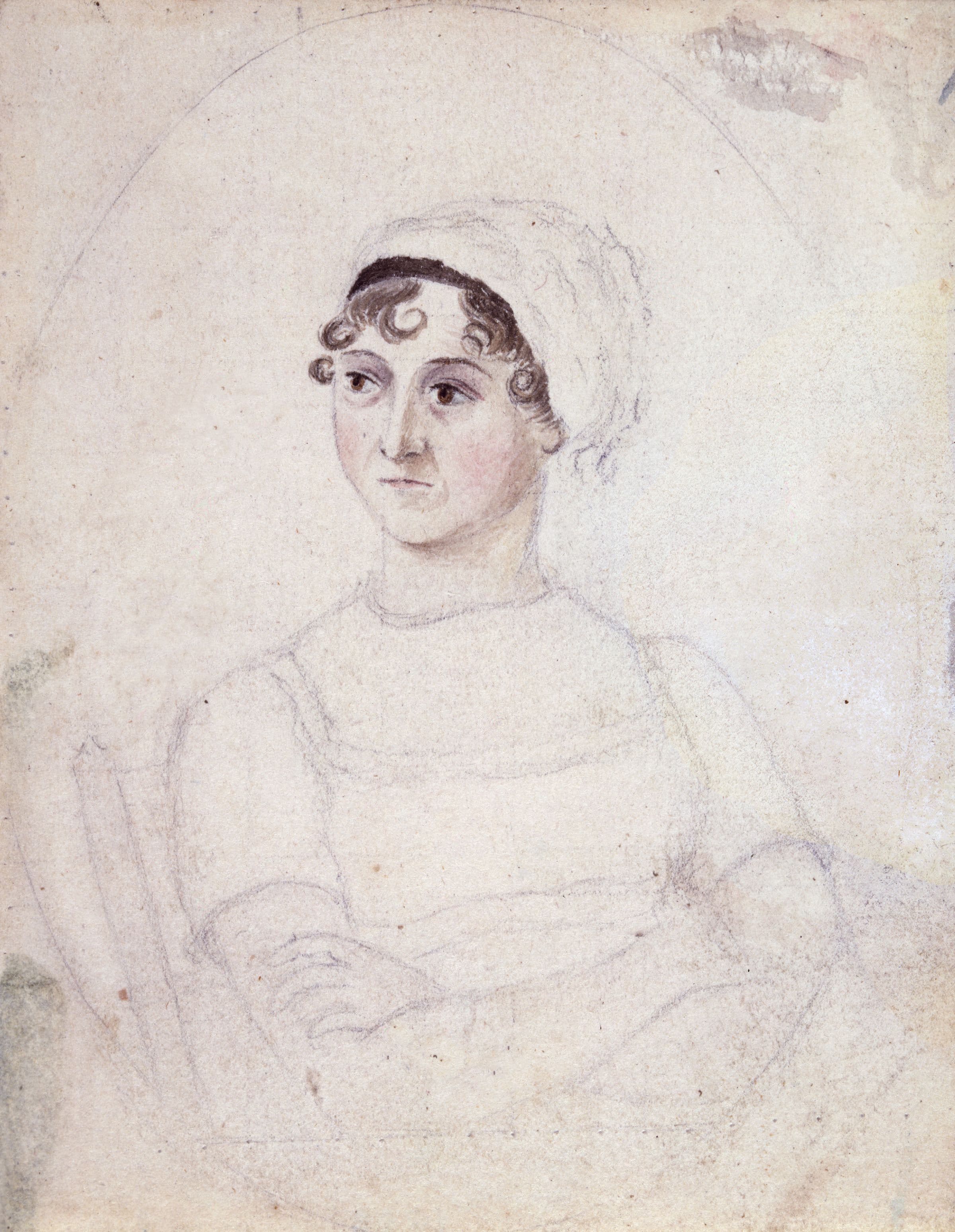
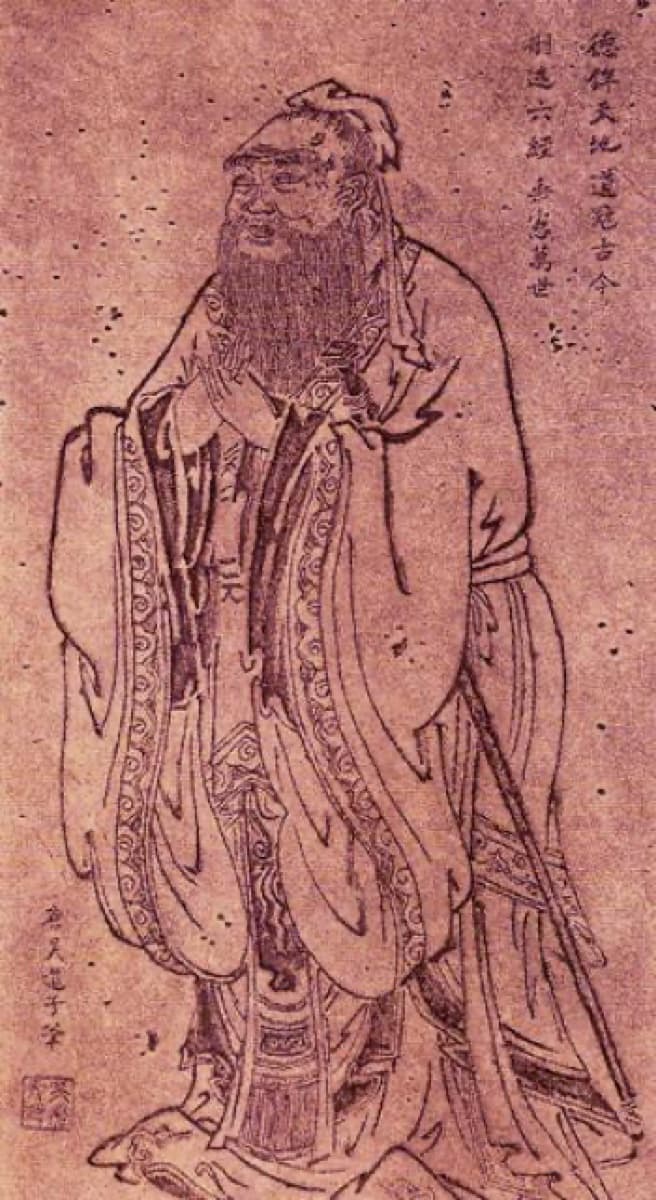
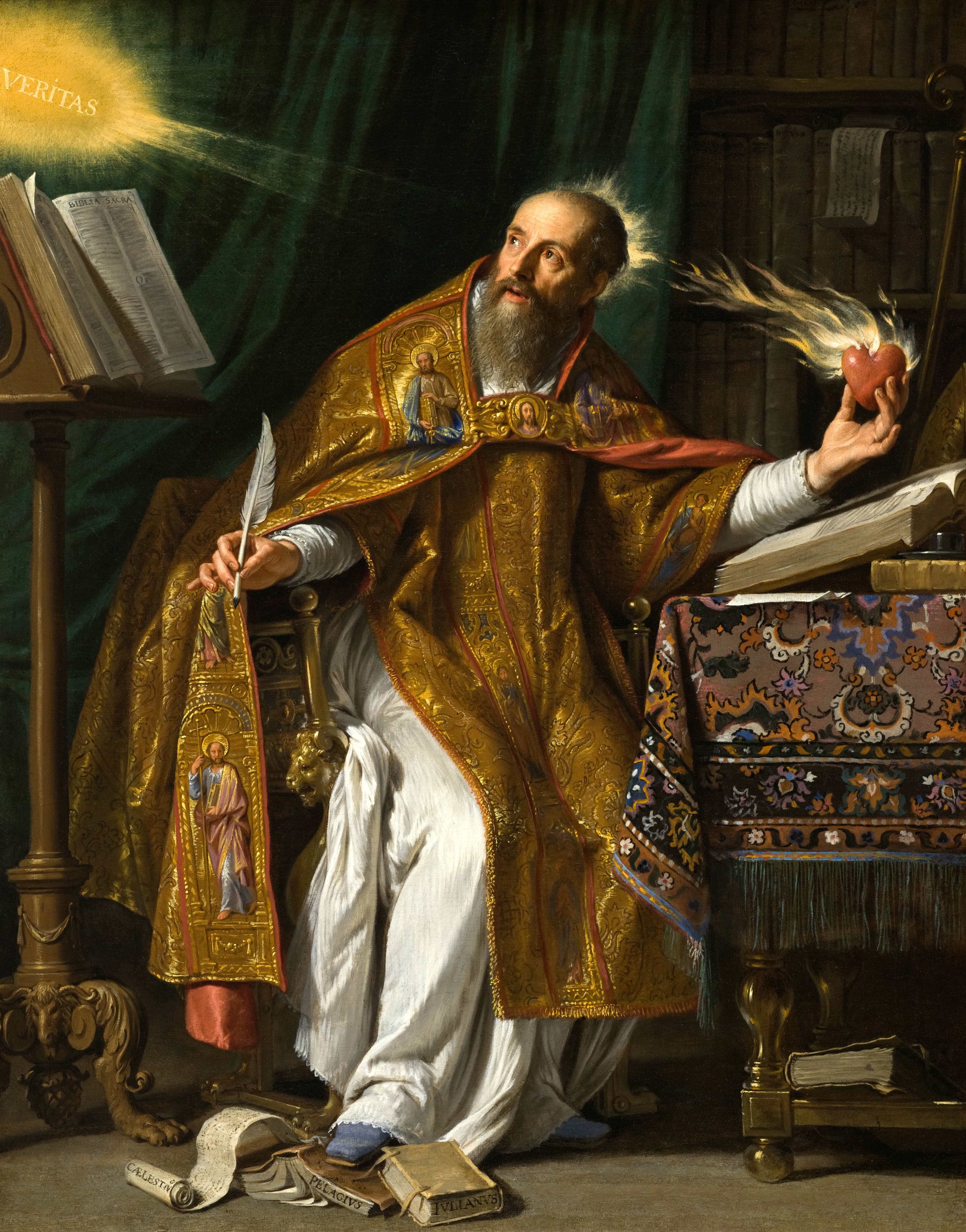
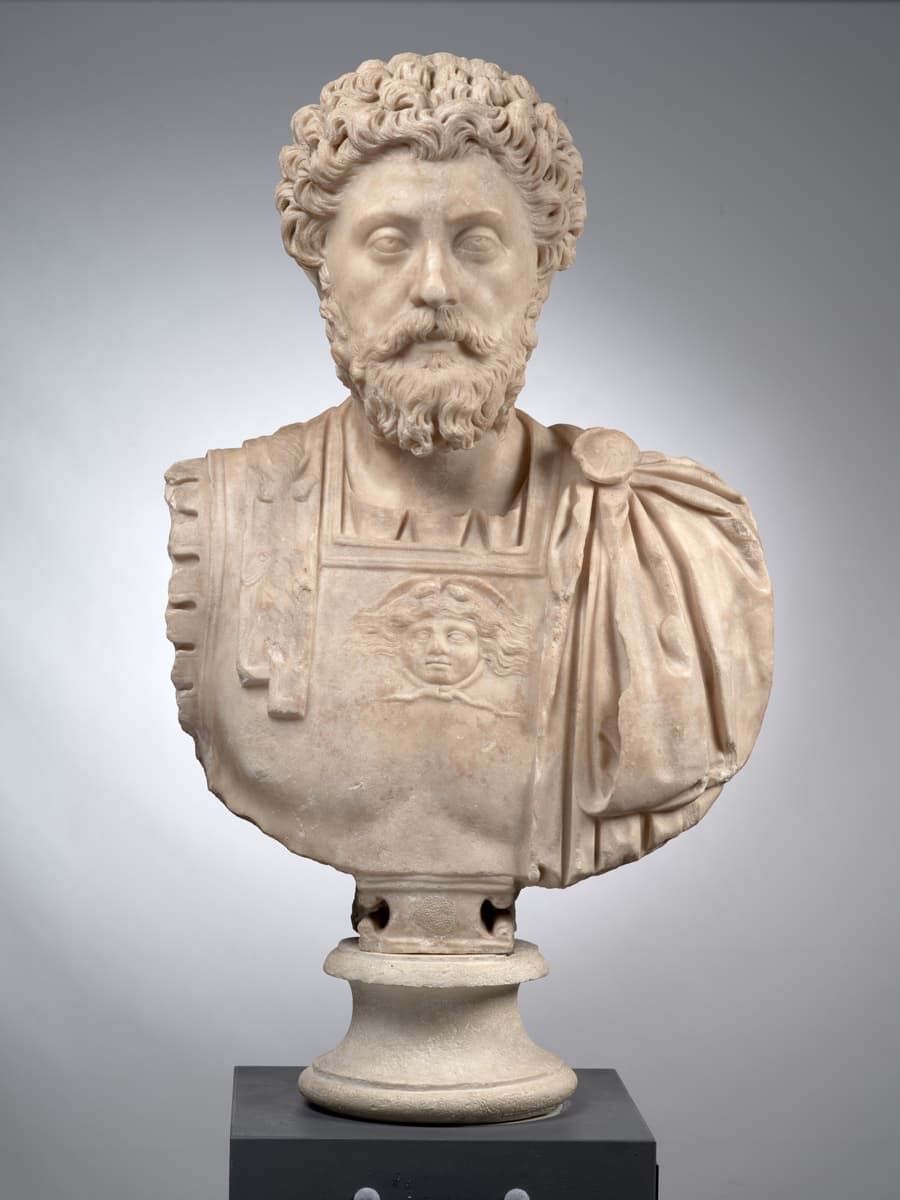
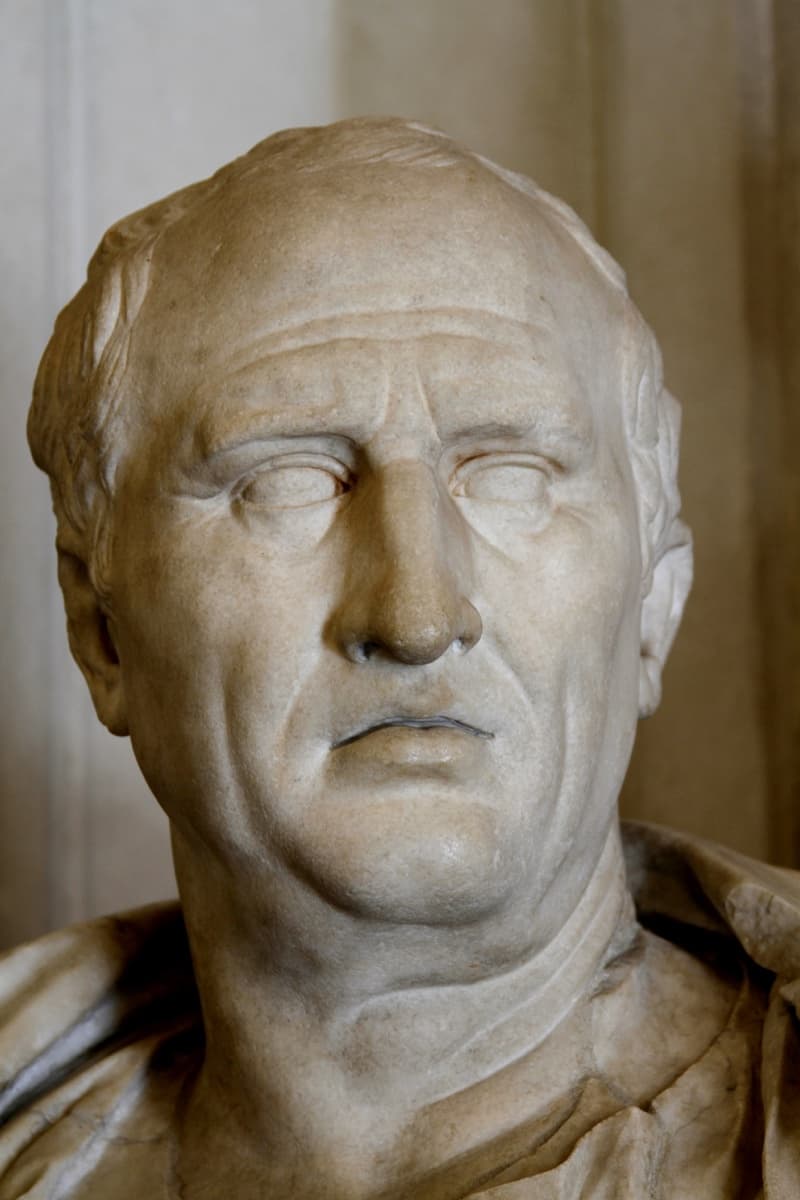
We only resurrect figures whose corpus is in the public domain and whose likeness can be shown openly. Every portrait below is sourced from a public archive — each one carries its credit beneath the tile. More voices unseal with cohort xiii.

six featured voices · full directory opens after accessrequest the full directory →
ii.the method

We don't roleplay the Giants.
We reconstruct them.

Each Giant is a carefully crafted voice system: curated source text, proprietary grounding, voice direction, and a real-time call layer tuned per figure.

  1. SRC

    corpus

    01

    Curated corpus

    Primary works cleaned, chunked, and prepared by hand.

    source-built

  2. IDX

    training

    02

    Proprietary grounding

    A figure-specific knowledge layer trains the voice where to stand.

    trained per figure

  3. VOX

    voice

    03

    Voice direction

    Cadence, register, and accent are carefully cast.

    crafted fit

  4. YOU

    call

    04

    Live intelligence

    Real-time voice, memory, transcript, and guardrails in one line.

    low-latency loop

iii.transcripts

Keep the useful parts
of every call.

After the call, the transcript keeps the turns, sources, and ideas worth returning to.

post-call transcript

3 min 24 sec

Marcus Aurelius

Why the notebook repeats

Marcus Aurelius · anon · 38 · lisbon

  1. you

    Why does the Meditations keep circling the same warnings?

  2. Marcus

    Because it was not written for applause. It was a private instrument: the emperor catching his own mind before habit carried it away.

Compressed excerpt · trained on the Meditations
language learning

Practice the language
inside a real conversation.

Talk with Giants in six languages. Turn on Learning mode for clearer speech, tap-to-translate, and phrasing help.

six conversation languages

EnglishSpanishFrenchGermanItalianPortuguese
listen

Hear clearer speech

The Giant speaks a little slower and plainer while staying in character.

speak

Train your mouth

Low-clarity words get a gentle dotted hint.

read

Catch meaning in context

Tap a Giant's words for meaning or translation.

repair

Improve your phrasing

Tap your own words for a more natural version.

real call previewlearning on

live subtitles

with Marcus Aurelius

Italiano

Marcus

Parla di ciò che ti turba, ma teniamo ogni pensiero abbastanza piccolo da poterlo esaminare.

you

Voglio spiegare il mio dubbio.

try

Voglio spiegare il mio dubbio.

A small fix, kept on screen.

Mic sensitivity
Learning mode
Mute
Hold
Silence
Subtitles
More
End

The conversation is the practice.

iv.the credits

Plans for thoughtful conversations.

Subscribe for the best hourly rate. Just trying it? Buy a block of time.

Inquirer

1 hr / month
extra time $14/hr
$14/ month

billed monthly · cancel any time

Confidant

most chosen

2 hrs / month
extra time $12.50/hr
$25/ month

billed monthly · cancel any time

included in every plan

  • Any voice in the directory
  • Language Learning mode
  • Full transcripts
  • Guides and progress

subscription hours roll over · valid for one year

subscribers can add extra time any time at their plan rate
Talk with the Greats — Shoulders of Giants